
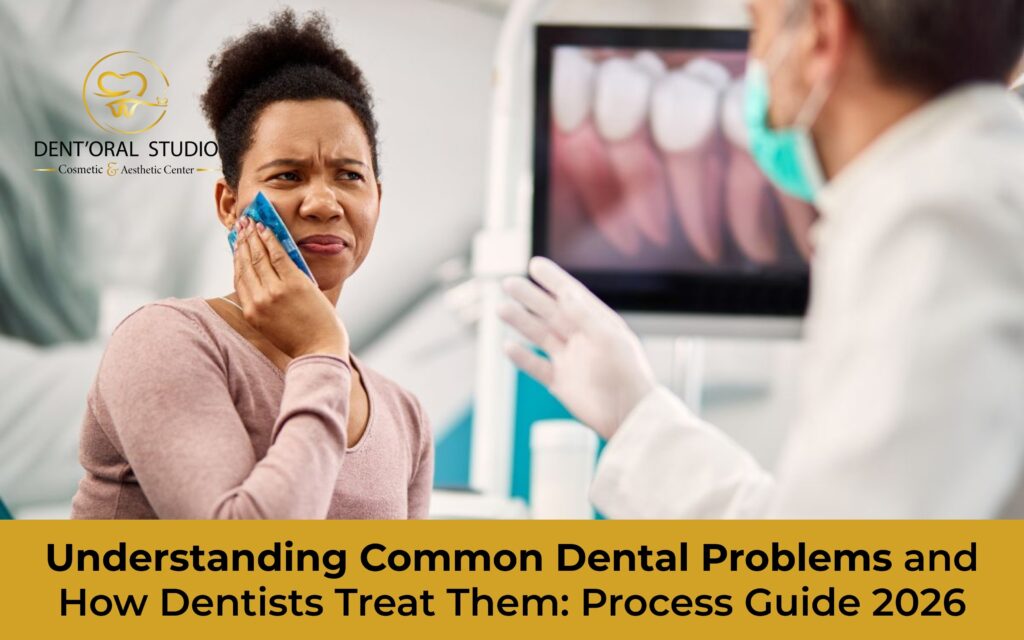
Good oral health is an important part of your overall well-being. However, many people experience common dental problems such as tooth decay, gum disease, tooth sensitivity and missing teeth. Some conditions develop gradually, while others may cause sudden pain or discomfort.
Regular dental checkups help identify oral health problems early. Depending on the condition, a dentist may recommend treatments such as fillings, professional cleaning, root canal treatment, crowns or dental implants.
In Lahore, patients can consult dental professionals at Dent’oral Studio in Valencia Town for an assessment of their dental concerns and guidance about suitable treatment options. Diagnostic imaging, including dental X-rays or 3D scans, may also be recommended when clinically necessary.
What Are the Most Common Dental and Oral Health Problems in Pakistan?
Dental problems can affect people of different ages. Understanding their causes and warning signs can help you seek appropriate dental care before a condition becomes more complicated.
Prevalence of Tooth Decay and Cavities
Tooth decay is one of the common dental problems. It develops when plaque — a sticky film of bacteria — builds up on the teeth. Bacteria in plaque use sugars from food and drinks to produce acids that gradually damage tooth enamel. Over time, this damage can create holes known as cavities.
Common signs of tooth decay include:
- Toothache or discomfort when eating.
- Sensitivity to hot, cold or sweet foods and drinks.
- Visible white, brown or dark spots on the teeth.
- A hole or rough area on the tooth.
The treatment depends on how far the decay has progressed. Early decay may sometimes be managed with professional fluoride treatment and preventive care. A formed cavity generally requires a dental filling. If decay reaches the inner pulp of the tooth, root canal treatment or another procedure may be necessary.
The Rise of Periodontal (Gum) Disease
Gum disease develops when plaque accumulates around the teeth and irritates the gums. The early stage is called gingivitis. It may cause redness, swelling and bleeding during brushing or flossing.
If gum disease progresses without appropriate care, it can develop into periodontitis. This advanced condition can damage the tissues and bone supporting the teeth, potentially causing teeth to become loose or fall out.
Common warning signs include:
- Bleeding gums while brushing or flossing.
- Red, swollen or tender gums.
- Persistent bad breath.
- Receding gums or changes in how teeth fit together.
- Loose teeth in more advanced cases.
Treatment depends on the severity of the condition. A dentist may recommend professional scaling, improved oral hygiene, deep cleaning beneath the gum line or specialist periodontal treatment.
Missing Teeth and the Need for Restoration
Missing teeth can affect more than the appearance of your smile. They may make chewing difficult, affect speech and change the way nearby teeth are positioned.
Tooth loss can occur because of advanced decay, gum disease, injury or other dental conditions. The appropriate replacement option depends on the number of missing teeth, the condition of the surrounding teeth and the patient’s oral health.
Common tooth replacement options include:
- Dental implants: Artificial tooth roots placed in the jawbone to support replacement teeth.
- Dental bridges: Fixed restorations that replace one or more missing teeth by using supporting teeth or implants.
- Dentures: Removable appliances used to replace some or all missing teeth.
A dental professional can assess your condition and explain which option may be suitable.
Tooth Sensitivity
Tooth sensitivity can cause a short, sharp discomfort when you consume hot, cold, sweet or acidic foods and drinks. It may occur when the protective enamel becomes worn or when the roots of teeth become exposed due to gum recession.
Possible causes include enamel erosion, tooth decay, gum recession, cracked teeth and worn fillings.
Treatment depends on the underlying cause. A dentist may recommend desensitising toothpaste, fluoride treatment, a filling or treatment for gum-related problems. Persistent sensitivity should be examined rather than managed only with home remedies.
Toothache and Dental Infections
Toothache can range from mild discomfort to severe, persistent pain. It may be associated with tooth decay, a damaged tooth, gum disease or an infection inside the tooth.
A dental infection can sometimes develop into an abscess, which is a collection of pus around a tooth or in the surrounding gum tissue.
Warning signs may include:
- Persistent or throbbing tooth pain.
- Pain when biting or chewing.
- Swelling around the tooth, gum or face.
- A bad taste in the mouth.
- Fever or difficulty opening the mouth.
A suspected dental abscess needs urgent assessment by a dentist. Treatment may involve draining the infection, root canal treatment or tooth extraction, depending on the cause and condition of the tooth.
Important: Facial or neck swelling that makes breathing, swallowing or speaking difficult requires emergency medical attention.
Cracked or Broken Teeth
A tooth can crack or break because of an injury, biting hard objects, untreated decay or excessive pressure from teeth grinding. Some cracks are difficult to notice without a dental examination.
Symptoms may include pain when biting, sensitivity to temperature changes or discomfort that comes and goes.
Depending on the extent of the damage, treatment may include a filling, dental bonding, a crown or root canal treatment. In severe cases where the tooth cannot be restored, extraction may be considered.
Bad Breath (Halitosis)
Persistent bad breath, also known as halitosis, can be linked to bacteria on the tongue, plaque buildup, gum disease, tooth decay or dry mouth. Certain foods, smoking and some medical conditions may also contribute.
Maintaining good oral hygiene, cleaning the tongue and attending regular dental checkups can help address common oral causes. If bad breath continues despite good oral care, a dentist can check for an underlying problem.
Wisdom Tooth Problems
Wisdom teeth are the last molars to emerge, usually during the late teens or early adulthood. Sometimes there is not enough space for them to come through properly. A wisdom tooth may become impacted or partially covered by gum tissue.
This can lead to pain, swelling, food trapping or infection around the affected tooth. A dentist may examine the area and recommend monitoring, cleaning or removal if the tooth is causing problems.
Look Into the Professional Solutions: How Dentists Treat These Issues
Modern dentistry focuses on diagnosing the cause of a problem and choosing treatment that helps preserve oral health wherever possible. Not every dental condition requires the same procedure. The dentist considers the severity of the issue, the patient’s medical and dental history, and the condition of the affected teeth and gums.
How to Prevent Cavities: The Clinical and Home Approach
Brushing your teeth twice a day with fluoride toothpaste is an important part of preventing tooth decay. However, home care and professional dental advice work together to help maintain healthy teeth.
A dentist may recommend the following preventive measures when appropriate:
- Fluoride Therapy: Professional fluoride applications can help strengthen enamel and support remineralisation of early tooth damage.
- Dental Sealants: These thin protective coatings are applied to the chewing surfaces of selected teeth, particularly molars, to help protect deep grooves from decay.
- Professional Scaling: Scaling removes hardened plaque (tartar) that cannot be removed through regular brushing. It also helps manage gum health.
Alongside professional care, brush twice daily with fluoride toothpaste, clean between your teeth every day and limit frequent sugary snacks and drinks.
Restoring Smiles: Dental Implant Procedure in Lahore
For patients dealing with tooth loss, dental implants may be one of the available restoration options. An implant acts as an artificial tooth root and can support a replacement crown, bridge or denture.
However, dental implants are not suitable for every patient. A dentist needs to assess the jawbone, gum health, medical history and other factors before recommending treatment.
The dental implant process may involve the following stages:
- Consultation and 3D Imaging: The dental professional examines the mouth and may recommend imaging, such as a CBCT scan, to assess the jawbone and plan treatment when clinically indicated.
- Implant Placement: If the patient is suitable, an implant post — commonly made from titanium or another approved material — is placed in the jawbone.
- Osseointegration: During healing, the bone gradually integrates with the implant. The time required varies between patients.
- Abutment and Crown: Once the implant is ready for restoration, an abutment and custom-made replacement tooth may be fitted to restore appearance and function.
Patients can explore the dental implant services at Dent’oral Studio to learn more about available care and consultation.
Demystifying the Visit: What Happens During a Dental Exam?
Some people delay dental visits because they feel anxious or are unsure what to expect. A routine dental examination helps the dentist assess your teeth, gums and other oral structures and identify concerns that may need attention.
A dental exam may include the following steps:
Step 1: The Visual and Physical Screening
The dentist examines your teeth and gums using a dental mirror and other instruments. They may check for signs of tooth decay, damaged enamel, plaque buildup, gum inflammation and other visible concerns.
The examination may also include the tongue, cheeks, throat and jaw, depending on your symptoms and dental history.
Step 2: Diagnostic X-Rays
If a closer look is needed, the dentist may recommend dental X-rays. These images can help identify problems that are not easily visible during a routine examination, such as decay between teeth, changes around tooth roots or certain bone-related concerns.
Not every patient needs X-rays at every visit. The dentist decides whether imaging is necessary based on the clinical examination and individual needs.
Step 3: Gum Pocket Measurement
If gum disease is suspected, the dentist may use a periodontal probe to measure the spaces between the teeth and gums. These spaces are known as periodontal pockets.
Healthy gum sulci are generally shallow. Deeper measurements, especially when combined with bleeding, gum recession or bone loss, may indicate periodontal disease. The dentist considers the complete examination rather than relying on one measurement alone.
How Can You Prevent Common Dental Problems?
Good daily habits can reduce the risk of many common oral health problems. Consider these practical steps:
- Brush twice a day for about two minutes using fluoride toothpaste.
- Clean between your teeth daily with dental floss or interdental brushes.
- Limit frequent consumption of sugary foods and drinks.
- Avoid smoking and tobacco products.
- Drink water regularly and maintain a balanced diet.
- Attend dental checkups at intervals recommended by your dentist.
- Seek dental advice if you notice persistent pain, bleeding gums, swelling or sensitivity.
Your ideal checkup schedule depends on your oral health, risk factors and dental history. Some people may need more frequent visits than others.
When Should You Visit a Dentist?
Do not wait for a dental problem to become severe before seeking advice. Arrange a dental assessment if you experience persistent toothache, bleeding or swollen gums, sensitivity that does not improve, a broken tooth, loose teeth or ongoing bad breath.
Seek urgent dental care if you notice signs of a dental abscess, facial swelling or severe dental pain. If swelling affects your breathing, swallowing or speaking, seek emergency medical attention immediately.
Conclusion
Common dental problems in Pakistan include tooth decay, gum disease, missing teeth, sensitivity, dental infections and damaged teeth. Although these conditions can affect daily comfort and oral health, many can be managed with timely diagnosis and appropriate professional care.
Modern dental treatments offer different options depending on the condition, from preventive fluoride applications and professional scaling to fillings, root canal treatment and dental implants.
If you are experiencing a dental concern, consult a qualified dental professional for an examination and an appropriate treatment plan. Patients in Lahore can contact Dent’oral Studio in Valencia Town to discuss their dental care needs.
FAQs About Common Dental Problems and Their Treatments
How often should I visit a dentist in Lahore?
The frequency of dental visits depends on your oral health and risk of developing dental problems. Some people may need routine checkups every six months, while patients with gum disease, frequent cavities or other concerns may need more frequent appointments. Follow the schedule recommended by your dentist.
Are dental implants painful?
Dental implant placement is generally performed using local anaesthesia to numb the treatment area. You may experience some soreness, swelling or discomfort during recovery. The level of discomfort and healing time vary from person to person.
What is the best way to prevent yellowing of teeth?
Brush twice daily, clean between your teeth and avoid tobacco. Tea, coffee and other strongly coloured foods or drinks can contribute to staining. Professional dental cleaning may remove surface stains, while professional whitening may be an option for suitable patients after an examination.
Can a cavity go away on its own?
A formed cavity does not heal on its own. Early enamel changes may sometimes be reversed or stabilised with fluoride and preventive care, but a hole in the tooth usually requires professional treatment, such as a filling. If decay reaches the pulp, root canal treatment may be needed.
What should I do if my gums bleed while brushing?
Bleeding gums can be a sign of gum inflammation or gum disease. Continue gentle oral hygiene and arrange a dental examination, especially if bleeding persists or is accompanied by swelling, tenderness or bad breath.
When does a toothache become a dental emergency?
Severe or persistent tooth pain, facial swelling, fever or signs of an abscess require urgent dental assessment. Difficulty breathing, swallowing or speaking due to swelling requires emergency medical attention.


