Your body gives the loudest signal when something inside your mouth is going wrong. It is usually known as tooth pain. What causes tooth pain? The experts’ verdict is that tooth decay, dental abscess, cracked tooth, and gum infection may cause the pain. They also say that sometimes the exposed tooth root, impacting wisdom teeth, or a failing dental filling might result in unbearable pain. You must need instant tooth treatment. For immediate tooth pain relief at home, you may put clove directly to the tooth, or a warm saltwater rinse, or take ibuprofen as a solution. All these are temporary measures.
Research indicates that this pain may last for more than 48 hours with facial swelling or fever. The longer a tooth remains in an active state of pulpitis (meaning inflammation), the lower the chances are of saving it with a simple filling. That’s why Dentoral Studio prioritizes the best emergency dental treatment in Lahore for acute tooth pain cases. This treatment helps to prevent any infection from spreading to the jawbone.
The clinical team at Dentoral Studio writes this guide to help you understand precisely what causes tooth pain, which home remedies are genuinely effective, and, most critically, the signs you need a dentist immediately.
The 7 Most Common Causes of Tooth Pain Explained by a Dentist
1. Tooth Decay That Has Reached the Nerve
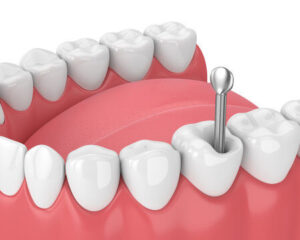
Tooth decay is the most common cause of tooth sensitivity in Pakistan, in adults and children alike. The process is gradual: acid from bacteria slowly dissolves your enamel, then penetrates the softer dentine layer beneath. Once the decay crosses the dentino-enamel junction, the pain shifts from a dull ache to a sharp, localized throb, which is difficult to ignore.
Clinical sign: Sharp pain triggered by sweets, hot drinks, or cold water that lingers for more than 30 seconds after the trigger is removed.
2. Dental Abscess – The Pain That Cannot Wait
A dental abscess is an infection that forms at the root tip of a tooth or in the surrounding gum tissue. It is a dental emergency. In our Valencia Town clinic, we often see that patients mistake a gum boil for a simple pimple; however, this is a clear sign that the infection has channeled through the bone. Dentoral Studio treats abscess cases weekly. When patients have delayed care for days, they hope the pain will resolve. It does not resolve. The infection spreads.
Clinical sign: Severe throbbing pain that radiates to the jaw, ear, or neck. Facial swelling. A foul taste in the mouth. If you experience a pulsing sensation in your tooth that matches your heartbeat, the abscess is likely under high pressure.
3. Cracked or Fractured Tooth
Cracked teeth are surprisingly invisible on standard X-rays. The fracture allows pressure and temperature to reach the nerve directly. It produces pain that appears, vanishes, and is hard to locate precisely.
Clinical sign: A sharp jolt of pain when biting down that disappears immediately. Sensitivity to cold that resolves quickly. Pain that comes from a tooth that looks completely healthy.
4. Gum Infection and Advanced Gum Disease
When gum disease progresses beyond early-stage gingivitis, infection develops in the pockets between teeth and gum tissue. This causes deep aching pain in the jawline area. Many patients mistake Periodontitis for a standard toothache, but the pain actually stems from the loss of supporting bone structure.
Clinical sign: Dull, aching jaw pain. Gums that bleed when you brush. A tooth that feels slightly loose. Bad breath that persists despite brushing.
5. Exposed Tooth Root and Dentine Hypersensitivity
When gum tissue recedes due to aggressive brushing, gum disease, or grinding, the root surface of the tooth becomes exposed. Unlike the crown of your tooth, the root has no enamel protection. Every temperature change, every sweet food, every acidic drink reaches the nerve almost directly.
Clinical sign: Brief, sharp pain triggered by cold drinks, sweet foods, or cold air. The pain is immediate and subsides quickly. It affects specific teeth rather than the entire mouth.
6. Impacted Wisdom Teeth
An impacted wisdom tooth cannot fully emerge because there is insufficient space in the jaw. It pushes against the adjacent molar, creates pressure, and traps food and bacteria beneath the gum tissue. This leads to a localised infection called pericoronitis. In younger patients (ages 17-25) in Lahore, we frequently find that ‘ear pain’ is actually referred pain from an impacted lower wisdom tooth.
Clinical sign: Deep pressure or aching pain at the back of the jaw, often worse when you open your mouth wide or bite down. Swollen gum tissue behind the last visible molar.
7. A Damaged or Failed Dental Filling
Old amalgam fillings crack. Composite fillings wear down. When a filling fails, it leaves the inner dentine of the tooth exposed and unprotected. Pain from a failed filling is often sudden. A tooth that was fine last week begins hurting after biting something hard.
Clinical sign: Pain from a tooth that previously had a filling. A visibly cracked, missing, or rough patch on the tooth surface. Sensitivity that begins suddenly in a restored tooth.
4 Home Remedies That Actually Work And 1 to Avoid
Clove Oil Applied Directly to the Tooth
Clove oil contains eugenol. It’s a compound so effective as a natural dental anaesthetic that dentists have used it clinically for over 100 years.
- Soak a small cotton pellet and apply it directly onto and around the painful tooth for 10 to 15 minutes.
- Avoid swallowing it.
- And also avoid getting it on the tongue or inner cheeks.
- The concentrated eugenol can cause mild mucosal irritation if not localized strictly to the tooth.
- This provides genuine temporary nerve-calming relief.
Warm Saltwater Rinse
Dissolve half a teaspoon of salt in a glass of warm water. Rinse gently for 30 seconds, two to three times a day. Saltwater is mildly antibacterial, reduces gum inflammation, and cleans debris from around an infected area. It does not kill a deep infection, but it genuinely helps manage surface-level bacterial load and swelling.
Ibuprofen, not Paracetamol Alone
For tooth pain, ibuprofen outperforms paracetamol. It addresses both the pain signal and the underlying inflammation simultaneously. Take the standard adult dose with food. Alternating ibuprofen and paracetamol every three to four hours can extend relief coverage. This is the strategy many dentists recommend during the period before a patient can be seen.
Cold Compress on the Outside of the Cheek
Apply an ice pack wrapped in a cloth to the outside of your cheek for 15 to 20 minutes at a time. This reduces swelling and numbs the area through the skin. Never place ice directly on the tooth, as it will worsen sensitivity significantly.
The One to Avoid: Aspirin Directly on the Tooth
This is the dangerous myth. It suggests that placing an aspirin tablet directly against a painful tooth provides relief. But, in reality, it doesn’t. Aspirin is acidic and causes a chemical burn on your gum tissue, adding a new problem on top of the existing one. Do not do this.
Warning Signs That Mean You Need Emergency Dental Care Today
If you notice these signs, you need a dentist. Don’t wait if:
- Facial swelling on one side or under the jaw.
- A fever alongside tooth pain.
- Difficulty swallowing or opening your mouth, which is known as Trismus. This is a critical emergency requiring immediate hospital-level care.
- Tooth pain following a recent dental extraction is worsening rather than improving after day three. This is likely a dry socket.
- Severe pain not controlled by ibuprofen.
- For children under 12, any tooth pain that lasts longer than 24 hours needs a proper dental checkup.
At Dentoral Studio in Valencia Town, we offer emergency dental treatment in Lahore for these situations. Our experts can also perform emergency dental implant treatment in Lahore if a tooth is knocked out due to trauma. They also treat dental abscesses, emergency extractions, and acute infections with same-day appointments for patients who cannot wait.
What Happens After Emergency Treatment – Tooth Replacement?
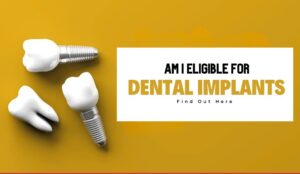
When a tooth cannot be saved due to severe decay, fracture, or uncontrolled infection, extraction is necessary. Leaving a gap might cause mesial drift. The neighboring teeth tilt into the space. The bone beneath shrinks, and your bite changes over time, ruining your bite alignment. In this condition, dental implants are seen as the only solution for replacing a missing tooth. It prevents bone loss. The titanium post integrates with the jawbone and stimulates it exactly as a natural tooth root does.
Are dental implants safe in Pakistan?
Yes. Dentoral Studio uses Swiss and German certified implant systems that are globally standardized. You may worry about dental implant side effects in Pakistan, but when placed by a specialist, the success rate is over 95%.
Side Effects:
- Normal post-operative symptoms include mild bruising and swelling for 3-5 days.
- These are signs of the body’s natural healing response (osseointegration)
- And it can be easily managed with prescribed medication.
So, these are the basic tips and tricks to overcome severe tooth pain. And if you’re interested in learn more about these kinds of interesting facts, we’re here to help you out. Book your consultation online or call us directly for emergency dental care in Lahore.
Disclaimer! This article is written and clinically reviewed by BDS, Lead Dentist at Dentoral Studio, Valencia Town, Lahore. With ten years of clinical experience in general, restorative, and implant dentistry, we serve with our best services. All information is consistent with current clinical guidelines and doesn’t contain any harm.
FAQs About Tooth Pain Causes and Relief in 2026
Can tooth pain resolve on its own without treatment?
Minor dentine sensitivity settles when the trigger is removed. However, tooth decay infection, pain, or a throbbing cracked nail can’t heal on its own. Rather, it becomes worse over time. You need to visit a dental clinic.
How do I know if my tooth pain is an emergency?
Suppose you saw these symptoms, such as facial swelling, fever, difficulty in eating, or severe pain that cannot be in your control with medication. All these are the signs of emergency tooth pain. You need to visit a professional dentist who can help you and give you relief.
Are dental implants safe in Pakistan?
Yes, dental implants are safe in Pakistan too. They’re the global standard of classic surgical procedure. Dentoral Studio Lahore also uses certified implant systems with complete documentation, prescribed by the implant specialist.
What are the side effects of dental implants?
The side effects of dental implants range from mild to severe level including bruising to discomfort. These side effects are normal and can be managed with prescribed medicines.
How long does tooth pain last after a filling?
Mild sensitivity of tooth pain after a filling is normal for one to two weeks as the tooth settles. If it get worsen than better, or the tooth aches without any trigger, you need to take care of your teeth and consult with your dentist as soon as possible.
Can I take painkillers and wait a few days?
Yes, you may take painkillers for mild pain with no swelling or fever. This sort of pain can be managed with ibuprofen within 24 to 48 hours. If it gets severe or the swelling is still present. Don’t wait any longer to make it more painful. Call the experts. They can give you valid advice that benefits you in all ways.