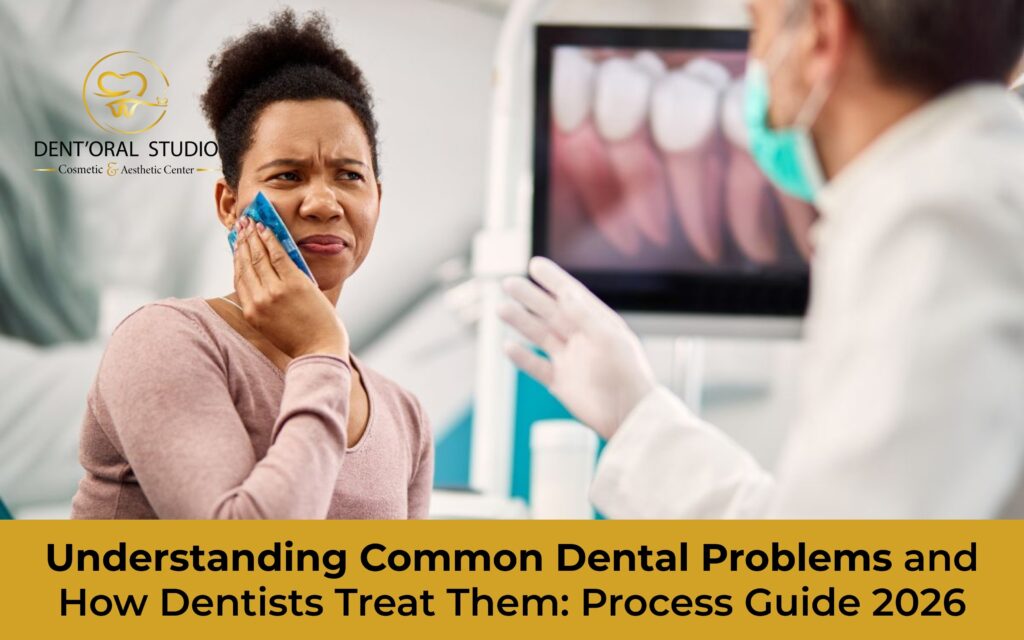
If you haven’t seen a dentist in years because you’re afraid, here’s the short version: your first visit back is an exam, not a lecture. There’s no drilling. No surprise treatment. No judgment. It’s mostly looking, listening, and talking not doing.
At Dentoral Studio in Lahore, this is one of the most common conversations we have. Not with patients who never miss a cleaning with people who’ve been avoiding the dentist for years, sometimes decades, because the fear got bigger than the appointment ever needed to be. If that’s you, here’s exactly what to expect, fear by fear, so nothing is left unknown before you walk in.
You’re Not the Only One And Your Dentist Knows That
Is it normal to feel afraid of the dentist after years away? Yes. It’s more common than you’d think.
Research on dental avoidance shows a clear cycle: the longer someone stays away, the more anxiety builds around going back. That makes the next visit feel even further out of reach. This isn’t a personal failing. It’s a well-documented pattern. Dentists who work with anxious patients see it play out the same way, over and over.
In practice, that means nothing about your situation will surprise the person examining your teeth. A bad experience years ago. Fear of pain. Embarrassment. Years of putting it off. None of it is new to them.
What’s Actually Driving the Fear And the Real Answer to Each One
Generic reassurance doesn’t help much when you’re genuinely anxious. So instead of “don’t worry, it’ll be fine,” here are direct answers to the specific fears that usually keep people away.
“I’m afraid of pain.”
Modern numbing starts before you feel a needle. A topical gel is applied first, so the area is already numb by the time any injection happens. Most patients describe pressure, not pain. For more involved procedures, sedation options exist specifically for people who want to feel little to nothing. Pain is one of the most solvable parts of dental anxiety because so much of modern dentistry is built around avoiding it.
“I’m afraid of being judged for how bad it is.”
This fear is common, and it’s one of the least founded. Dentists see extensive decay, gum disease, missing teeth, and years of neglect regularly. To them, it’s not a shocking case it’s a routine starting point. You won’t get a lecture. You’ll get an assessment.
“I’m afraid they’ll find something terrible.”
If something significant turns up, it doesn’t get sprung on you mid-appointment. Diagnosis and treatment happen in separate steps: exam first, then a conversation about what was found, then a plan you review and agree to before anything happens. You won’t walk in for a cleaning and wake up from a procedure you didn’t know was coming.
“I’m afraid of losing control in the chair.”
You can set this up in advance. Most dentists use a simple signal like raising your hand to mean “stop, I need a break.” It’s respected the moment you use it. You can ask for the chair to sit more upright, for a pause, or for a step to be explained before it happens. None of this is an inconvenience to ask for. It’s normal when treating anxious patients.
“I’m worried about the cost.”
Cost conversations happen before treatment starts, not during or after. You’ll typically get a breakdown of what’s needed and what it costs before agreeing to anything, with urgent issues separated from things that can wait. Nobody starts drilling and hands you a bill afterward.
What Actually Happens, Step by Step
Check-in and paperwork. You’ll fill out a dental and medical history form. This is also the moment to mention your anxiety directly — most forms have a field for it, or you can just tell the front desk. Saying it out loud early changes how the rest of the visit is handled.
The exam. You’ll likely get digital X-rays first. These take a few minutes and involve biting down on a small sensor, or wearing a lead apron while a machine captures images from outside your mouth. Then comes the visual exam: the dentist or hygienist checks your teeth and gums, looks for cavities and wear, and measures gum pocket depth with a small probe. This can feel like light pressure or a brief scratch not pain.
What does and doesn’t happen on visit one. In most cases, the first visit is assessment, not treatment. You’re not committing to a procedure by showing up. You’re finding out what’s actually going on which is often less alarming than what you imagined after years of avoidance.
How it ends. The visit typically closes with the dentist explaining what they found, in plain language, followed by a proposed plan prioritized by urgency not delivered as one overwhelming list. You leave with information, not a scheduled surgery you didn’t agree to.
Most first visits back take about an hour mostly because of X-rays and the full exam, not because anything painful is taking that long. For a standard checkup after this first assessment, most patients simply move into our regular general dentistry care, which covers routine cleanings and preventive checkups going forward.
Anxiety-Management Options You Can Actually Ask For
- Nitrous oxide (“laughing gas”) inhaled through a small mask. Takes effect quickly and wears off within minutes after removal. Good for mild to moderate anxiety during a specific procedure.
- Oral sedation a prescribed pill taken before the appointment that produces a deeper sense of calm. You’ll need someone to drive you home afterward.
- Simple in-visit accommodations a stop signal, breaks on request, noise-cancelling headphones, or having the dentist narrate each step before doing it. These cost nothing extra and are available even without formal sedation.
You don’t need “severe enough” anxiety to ask for any of this. If it would help you show up, it’s a reasonable thing to request.
What to Do Before You Go
- Brush and floss normally beforehand. There’s no need to “clean up” excessively the exam accounts for whatever your mouth looks like day to day.
- Eat normally unless told otherwise. Avoid caffeine right before the visit if it tends to heighten your anxiety.
- Bring a support person if that would help you feel steadier. Most clinics allow this in the waiting room, and sometimes in the exam room itself.
- Write down your main questions beforehand, in case anxiety makes it hard to remember them in the moment.
If They Find Something What Happens Next
Nothing gets decided or treated on the spot without your agreement. If the exam turns up cavities, gum disease, or anything else, the next step is a conversation: what was found, what it means, and what the options are. These are usually sequenced by urgency, with anything time-sensitive flagged clearly and everything else scheduled at a pace that works for you. You’re not expected to fix years of avoidance in a single appointment, and no reasonable dentist will ask you to.
Final Word
The hardest part of this entire process is almost always the decision to book the appointment not the appointment itself. Once you’re in the chair, most of what felt unknown becomes concrete: an exam, a conversation, a plan you actually get to weigh in on.
At Dentoral Studio, we work with patients who’ve been away for years far more often than people expect. Showing up after a long gap has never once been treated as something to apologize for. Book your first visit back whenever you’re ready no pressure, no lecture, just a conversation.
FAQ
Will the dentist judge me for not going in years?
No. Dentists regularly see patients returning after long gaps sometimes decades and treat it as a routine starting point, not a reason for criticism. The focus is on where things stand now, not on the time that passed.
Do I need to get everything fixed in one visit?
No. The first visit is typically an assessment. If treatment is needed, it’s organized into a plan with the most urgent issues addressed first, scheduled over multiple visits at a pace you agree to.
What if I need to stop mid-procedure because I’m panicking?
You can set up a stop signal before the procedure begins, and most dental teams pause immediately when you use it. Letting the dentist know about your anxiety beforehand makes it easier for them to check in and adjust the pace.
Is sedation available for a routine first exam, or only for major work?
Sedation and anxiety-management options like nitrous oxide can be requested for a routine exam, not just major procedures. If anxiety is the main barrier to going at all, ask about these options before your first visit.